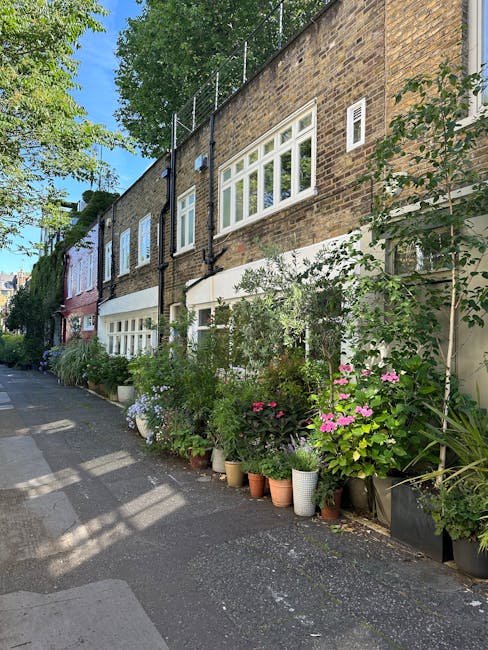
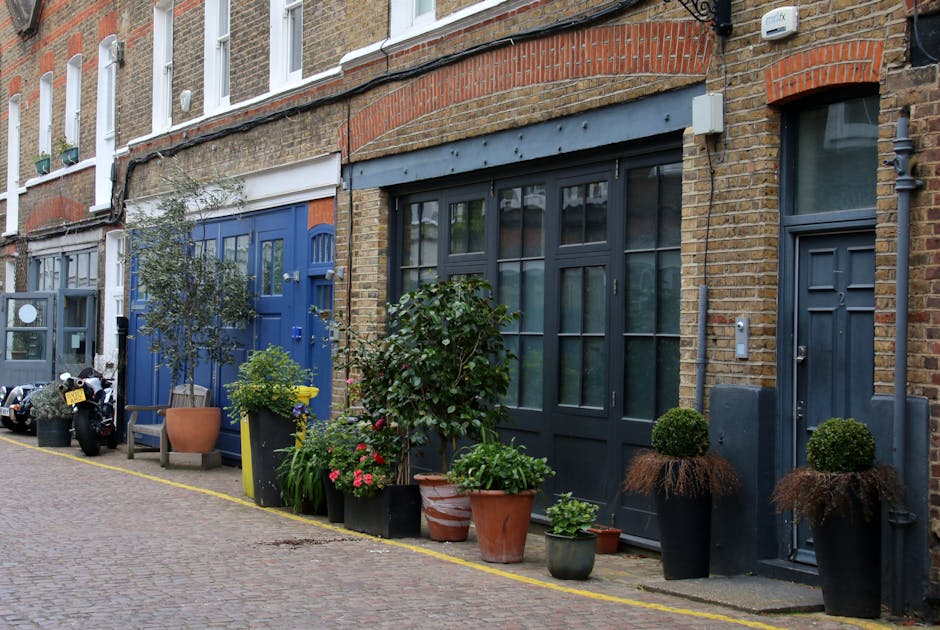
Best gardeners for Kingsland Road gardens in Dalston
Finding the best gardeners for Kingsland Road gardens in Dalston is not just about hiring someone who owns a mower and turns up on time. It is about choosing a gardener who understands tight urban spaces, awkward access, shared boundaries, mixed light, and the sort of stop-start garden care that London life quietly demands. If you have a small front plot, a hidden courtyard, a narrow back garden, or a patch that gets battered by wind between buildings, the right gardener can make a proper difference.
This guide walks you through what to look for, how professional garden care usually works in Dalston, and how to compare options without getting dazzled by polished promises. Truth be told, the best choice is usually the one that fits your garden, your schedule, and the way you actually use the space. Not the fanciest pitch.
Along the way, you will also find practical advice on pricing, safety, sustainability, and how to spot a gardener who can keep Kingsland Road gardens looking good through the messy middle of the year - not just for one tidy afternoon in spring.
Table of Contents
- Why Best gardeners for Kingsland Road gardens in Dalston Matters
- How Best gardeners for Kingsland Road gardens in Dalston Works
- Key Benefits and Practical Advantages
- Who This Is For and When It Makes Sense
- Step-by-Step Guidance
- Expert Tips for Better Results
- Common Mistakes to Avoid
- Tools, Resources and Recommendations
- Law, Compliance, Standards, or Best Practice
- Options, Methods, or Comparison Table
- Case Study or Real-World Example
- Practical Checklist
- Conclusion
- Frequently Asked Questions
Why Best gardeners for Kingsland Road gardens in Dalston Matters
Kingsland Road sits in a part of Dalston where gardens can be small, layered, and a little unpredictable. One side may be shaded by taller buildings, another may get full afternoon sun, and a lot of gardens here have to work harder than they look. That means the "best" gardener is rarely the one with a one-size-fits-all approach. It is the one who can read the space properly.
In practice, that matters because a garden that looks simple on paper can hide all sorts of headaches: compacted soil, patchy drainage, overgrown climbers, awkward paving, or tired borders that need rebuilding rather than a quick tidy-up. A good gardener knows when to prune, when to leave growth alone, and when a bit of patience will save you from doing the same job twice. Let's face it, nobody wants to pay for a rushed job that looks fine for a week and then falls apart.
For local homeowners, landlords, renters with permission, and small businesses with planted frontage, the right support can also protect the value and use of the property. A neat garden can make a flat feel more liveable, a courtyard more usable, and a shop front more welcoming. That is especially true along a busy road where first impressions are made very quickly.
If you are comparing local providers, it helps to look beyond surface-level claims and check how they present their service, their approach to safety, and whether they explain pricing clearly. Pages such as the services overview and pricing and quotes information are useful starting points because they help you judge whether the service feels transparent before anyone steps into the garden.
How Best gardeners for Kingsland Road gardens in Dalston Works
A good garden service usually begins with a straightforward assessment. The gardener looks at what is growing, what is struggling, what needs immediate attention, and what can wait. That first look matters a lot. A clipped hedge and a weeded border sound simple, but they are often part of a wider pattern: soil health, seasonal timing, and the way people use the space day to day.
For Kingsland Road gardens, the process often includes a mix of maintenance and problem-solving. You might need a one-off clearance after a long period of neglect, or a regular visit that keeps things manageable through the year. You might need planting advice because the garden gets very little direct sun. Or you may need help with overgrown shrubs, lawns that thin out, or planters that dry out far too quickly in summer.
The best gardeners work in stages. First comes the tidy-up or reset, then the shaping, then the long-term care plan. That order matters. If someone starts planting before dealing with drainage or soil structure, you can end up with expensive rework later. Not ideal.
Good local gardeners also tend to think about access and neighbours. On a road like Kingsland Road, that can mean managing noise, waste, and tool movement carefully. It may seem minor, but in a dense residential area, these things affect the experience as much as the horticulture itself.
For readers who want to know a bit more about the people behind the service, the about us page can help set expectations around values, approach, and the sort of work the team is set up to handle.
Key Benefits and Practical Advantages
Hiring the right gardener for a Dalston property is not just about appearance. It creates a calmer, more usable space, and in many gardens that is the real win.
- Better garden health: regular care reduces disease build-up, congestion, and stress on plants.
- Cleaner, safer outdoor areas: overgrowth, slippery surfaces, and hidden debris are easier to manage when gardens are maintained properly.
- More usable space: pruning, shaping, and sensible planting can make a tiny garden feel larger.
- Lower long-term cost: steady maintenance often prevents bigger repairs later, which is where people usually feel the pain.
- More appropriate planting: the right plant in the right spot saves water, time, and frustration.
- Better kerb appeal: useful for homes, rentals, and business premises alike.
One overlooked benefit is rhythm. A garden that is looked after regularly tends to stay ahead of the seasonal chaos. In May, that means less panic about everything suddenly growing at once. In late summer, it means less heat stress and fewer sad-looking containers. In winter, it can mean the difference between a space that feels dormant and one that feels neglected.
There is also a practical emotional benefit. A tidy outdoor space changes how the home feels when you open the back door on a grey Tuesday morning. Small thing, maybe. But people notice it.
Who This Is For and When It Makes Sense
This kind of local garden support makes sense for quite a wide range of people, but the reasons vary.
- Homeowners who want reliable upkeep without losing weekends to hedge trimmers and bags of cuttings.
- Landlords and property managers who need gardens kept presentable between tenancies or for ongoing occupation.
- Renters with permission who want to reclaim a neglected courtyard, balcony planting area, or shared garden.
- Small businesses with front-of-house planting, signage borders, or a small seating area that needs to stay attractive.
- Busy households that know the garden needs work but keep pushing it down the list, because, well, life.
It makes sense when the space is starting to ask for more than occasional DIY attention. For example, if the lawn is patchy and full of moss, if shrubs are crowding paths, if weeds keep returning faster than you can remove them, or if the planting never seems suited to the light levels, a professional can usually spot the underlying causes quickly.
It also makes sense after a move-in, a renovation, or a long gap in maintenance. Those are the moments when a garden can quietly go from "needs a tidy" to "needs a proper reset."
And sometimes, honestly, it makes sense simply because you do not want to spend your Saturdays bent over a border with a hand fork. Fair enough.
Step-by-Step Guidance
If you want the best result, a clear process helps. Here is a sensible way to approach hiring gardeners for a Kingsland Road garden.
- Define what the garden needs right now. Is it maintenance, a one-off tidy-up, planting help, or a bigger transformation?
- Walk the space and make notes. Look at sunlight, shade, drainage, access, existing plants, and the areas that annoy you most.
- Prioritise outcomes. For example: safe access first, then structure, then planting, then cosmetic details.
- Ask for a clear quote. A useful quote should explain what is included, what is not, and whether waste removal or follow-up work is separate.
- Check the practical basics. Insurance, health and safety approach, waste handling, and payment terms are all worth confirming early.
- Agree the schedule. One-off, fortnightly, monthly, seasonal - whichever rhythm fits the garden and your budget.
- Review after the first visit. Did the work match the brief? Did the gardener explain what they noticed? Were the results tidy and sensible rather than just quick?
A small but useful tip: take a few photos before work begins. Not for dramatic before-and-after content, just for reference. It helps everyone stay aligned if the garden has awkward corners or hidden problem spots. And yes, sometimes you forget exactly how untidy the back corner looked once it starts improving.
If you want to understand how pricing is usually presented, it is worth reading the pricing and quotes guidance before you speak to anyone. A transparent price structure saves a lot of back-and-forth later.
Expert Tips for Better Results
Good gardening results are often about small, thoughtful decisions rather than dramatic interventions. The strongest local gardeners tend to notice patterns quickly and work with them rather than fighting the garden all the time.
1. Match the plant to the light, not the other way around
Dalston gardens can be tricky for sun. Some get a bright burst in one corner and a gloomy stretch everywhere else. If a plant keeps failing, it may not be "bad luck". It may simply be in the wrong place. Shade-tolerant planting usually performs better than forcing a sun-lover into a dim spot.
2. Keep the structure simple
Especially in small gardens, a neat framework beats overcrowding. A few well-chosen shrubs, layered herbaceous plants, or container groupings can look far better than cramming in too many species. Less clutter, more breathing room.
3. Think about maintenance before planting
It is lovely to imagine a lush, overflowing garden. But who is deadheading it? Who is watering it in a dry spell? Who is cutting it back in late summer? These questions are not glamorous, but they matter.
4. Use pruning with restraint
Over-pruning is one of those mistakes that feels productive in the moment and irritating later. A skilled gardener knows how much to take and when to step back. Not every plant needs a haircut that could frighten a passing pigeon.
5. Keep communication practical
Tell the gardener what matters most: privacy, pet safety, low-maintenance planting, better drainage, or simply making the place feel calmer. A clear brief usually leads to better work than vague requests for "just make it nice."
For a broader sense of the service standard, the services overview can help you connect the practical jobs with the overall outcome you want.
Common Mistakes to Avoid
People often make the same handful of mistakes when choosing garden help in an urban area. Avoiding them saves time, money, and a fair bit of irritation.
- Choosing on price alone: the cheapest quote can be fine, but only if it clearly covers the work you actually need.
- Not specifying the scope: "general garden work" is too vague if you need clearance, shaping, and waste removal.
- Ignoring access issues: narrow side returns, basement gardens, locked gates, and shared entryways can affect timing and cost.
- Forgetting long-term upkeep: a stunning one-off tidy is useful, but a plan is better.
- Overplanting a small space: plants need room, and so do you.
- Skipping safety questions: equipment, ladder use, and disposal all deserve attention, even for relatively small jobs.
Another quiet mistake is assuming the first visit will solve everything. Sometimes it does, but often the first visit is more about resetting the space so real improvement can start. That is not a failure. It is just how gardens work. Bit by bit, they respond.
Tools, Resources and Recommendations
You do not need to become a gardening expert yourself to manage the process well, but a few tools and resources make the decision easier.
| Need | Useful approach | Why it helps |
|---|---|---|
| Initial assessment | Take photos of the whole garden and any problem areas | Gives the gardener context before a visit |
| Service comparison | Compare scope, timing, and quote clarity | Prevents surprise extras |
| Maintenance planning | Keep a simple seasonal note of what needs attention | Helps with recurring care and budgeting |
| Waste handling | Ask how cuttings, soil, and debris are managed | Supports tidy, responsible work |
| Trust checks | Review service pages and policy information | Helps you understand professionalism and process |
For trust and process-related reading, pages like insurance and safety, health and safety policy, and recycling and sustainability can be genuinely useful. They show how a business thinks about the practical side of garden work, not just the visible finish.
If you like to check the people behind the service before booking, the about us page is a good place to understand the ethos. And if you are ready to talk specifics, the contact us page is the obvious next step.
Law, Compliance, Standards, or Best Practice
Garden work is not usually complicated from a compliance point of view, but it still benefits from sensible standards. That includes how tools are used, how waste is handled, how access is managed, and how risk is reduced around slippery paths, sharp equipment, or awkward slopes. In urban gardens, these things matter more than many people expect.
A professional gardener should be able to explain how they approach safety, especially if ladders, powered tools, or heavy lifting are involved. Insurance is also worth checking, because even routine work can involve accidental damage if care is not taken. Nobody wants a cracked paving slab or a broken planter turning into a long email chain. Been there? Best not.
For customers, best practice usually means being clear about permissions. If you rent, share the space, or live in a managed property, it is sensible to confirm that the garden work is allowed and that everyone affected knows what is happening. That keeps the job smooth and avoids awkwardness later.
Environmental good practice also matters. Composting when suitable, reducing unnecessary waste, and recycling green material where practical all support a more responsible service. The aim is simple: leave the garden healthier and the process cleaner.
Options, Methods, or Comparison Table
Not every garden needs the same type of help. Some need a full reset, others just need regular maintenance, and some sit somewhere in between. Choosing the right method saves money and gives better results.
| Option | Best for | Pros | Limitations |
|---|---|---|---|
| One-off tidy-up | Overgrown gardens, move-ins, seasonal resets | Fast improvement, good starting point | Does not maintain the result on its own |
| Regular maintenance | Homes and businesses that want a neat look all year | Prevents build-up, easier budgeting | Needs ongoing commitment |
| Planting refresh | Gardeners wanting better colour, structure, or seasonality | Improves appearance and plant health | Works best alongside maintenance |
| Seasonal support | Gardens that need spring, summer, or autumn attention | Matches work to the time of year | May not cover every issue in one visit |
For most Kingsland Road gardens, a combination usually works best: a reset where needed, then lighter recurring care. That is often the sweet spot. It keeps the garden respectable without overcomplicating things.
Case Study or Real-World Example
Consider a typical Dalston courtyard garden: compact paving, a few tired containers, a narrow bed at the back, and plants that have slowly taken over the edges. Nothing dramatic. Just the kind of space that looks manageable until you try to spend an afternoon in it.
The first job is usually not planting. It is clarity. Remove the dead growth, trim back the awkward shrubs, clear the debris, and work out where the light actually falls. In a space like this, the biggest win may be creating one clean seating area and one planting zone that can be watered without a circus routine.
Once the basics are sorted, a gardener might recommend a small set of shade-tolerant plants for the darker side, plus more resilient container planting near the sunnier edge. Add a simple maintenance rhythm - maybe monthly in the growing season and lighter attention in winter - and the garden begins to feel deliberate rather than accidental.
That is usually what people want, even if they do not say it directly. A space that feels looked after. Not overstyled, not overworked. Just calm and usable.
Practical Checklist
Use this before hiring or briefing a gardener for Kingsland Road work.
- Have I defined whether I need a one-off visit or regular maintenance?
- Do I know which parts of the garden matter most right now?
- Have I shared photos or a clear description of the space?
- Have I checked access, parking, and any building restrictions?
- Do I understand what the quote includes and excludes?
- Have I asked about waste removal and recycling?
- Have I checked insurance and safety expectations?
- Am I clear about timing, frequency, and the likely follow-up work?
- Do I want maintenance, planting, clearance, or a mixture of all three?
- Have I confirmed how to contact the provider if plans change?
Quick expert summary: the best gardeners for Kingsland Road gardens in Dalston are the ones who listen carefully, assess the space honestly, and give you a plan that suits urban life rather than fighting it. The garden should become easier to live with, not another job waiting in the wings.
Conclusion
Choosing the best gardeners for Kingsland Road gardens in Dalston comes down to fit, trust, and practical judgment. A skilled local gardener does more than tidy borders. They help you make a small urban space work harder, feel calmer, and stay healthier through the year. That is especially valuable in Dalston, where gardens often have to cope with limited light, tight access, and a lot of seasonal change in a relatively small footprint.
Look for clear communication, sensible pricing, a solid safety approach, and a service that matches your actual needs. If you start with that mindset, the whole process becomes much easier. And your garden? It starts pulling its weight again.
Get a free quote today and see how much you can save.
If you are ready to take the next step, use the contact page to outline your garden, your goals, and the kind of help you need. A well-kept garden is never just about appearances. It is about living a little better, right where you are.
Frequently Asked Questions
What should I look for in the best gardeners for Kingsland Road gardens in Dalston?
Look for clear communication, relevant experience with small urban gardens, sensible pricing, and a practical approach to access, safety, and waste removal. A good gardener should understand how Dalston gardens behave across the seasons, not just on a sunny day.
Do I need a one-off garden tidy or ongoing maintenance?
If the garden is overgrown or messy, a one-off tidy-up is often the right start. If you want the space to stay neat, recurring maintenance is usually better. Many people begin with a reset and then move to monthly or seasonal care.
How much should a gardener quote for a small city garden?
Prices vary by scope, access, and the condition of the garden, so it is best to ask for a tailored quote rather than guess. A good quote should explain what is included, especially if waste removal or plant supply may be extra.
What makes Kingsland Road gardens different from suburban gardens?
Urban gardens here often have tighter access, more shade, less forgiving soil, and more pressure from boundaries, neighbours, and hard surfaces. They need practical planting choices and maintenance that suits the space rather than a big open-lawn mindset.
Can gardeners help with very neglected gardens?
Yes, and often that is where they are most useful. A neglected garden usually needs a clear reset: cutting back, clearing debris, checking soil condition, and deciding what can be saved. The first visit may be substantial, but that is normal.
Should I ask about insurance before booking a gardener?
Yes. Insurance is an important trust signal, especially if work involves ladders, tools, heavy lifting, or working near structures and paths. It is one of those things you hope never matters, until it very much does.
How often should a Dalston garden be maintained?
That depends on the size, planting style, and how fast it grows. Many compact urban gardens benefit from monthly or fortnightly attention in the growing season, then lighter visits in the colder months. A seasonal plan is usually more realistic than waiting until things are out of hand.
Can a gardener help with planting design as well as maintenance?
Yes, many can. In small gardens especially, planting design can make a huge difference to how the space feels and how much work it needs later. Good design takes sunlight, watering needs, and long-term maintenance into account.
What questions should I ask before accepting a quote?
Ask what is included, whether waste is removed, what happens if extra work is needed, how access affects the visit, and whether the gardener recommends a one-off or regular service. Clear answers usually tell you a lot.
Is sustainable garden waste handling important?
Yes. Responsible recycling and waste handling are part of a good professional standard. If a gardener explains how green waste is managed and how they reduce unnecessary disposal, that is usually a positive sign.
How do I prepare my garden before the first visit?
Move personal items, unlock access points if needed, make a note of any fragile areas, and tell the gardener about anything unusual such as hidden steps, shared entrances, or delicate planting. A short briefing can make the visit smoother from the start.
Where can I learn more about the service approach and policies?
You can review the services overview, insurance and safety, recycling and sustainability, and pricing and quotes pages for a fuller picture of how the service is structured.